Trimming Trees vs DIY: Is It Worth Calling a Professional?
This guide weighs DIY against hiring a qualified arborist, using Australian conditions, common council rules, and the realities of suburban blocks from Brisbane to Melbourne.
Is trimming trees actually safe to DIY?
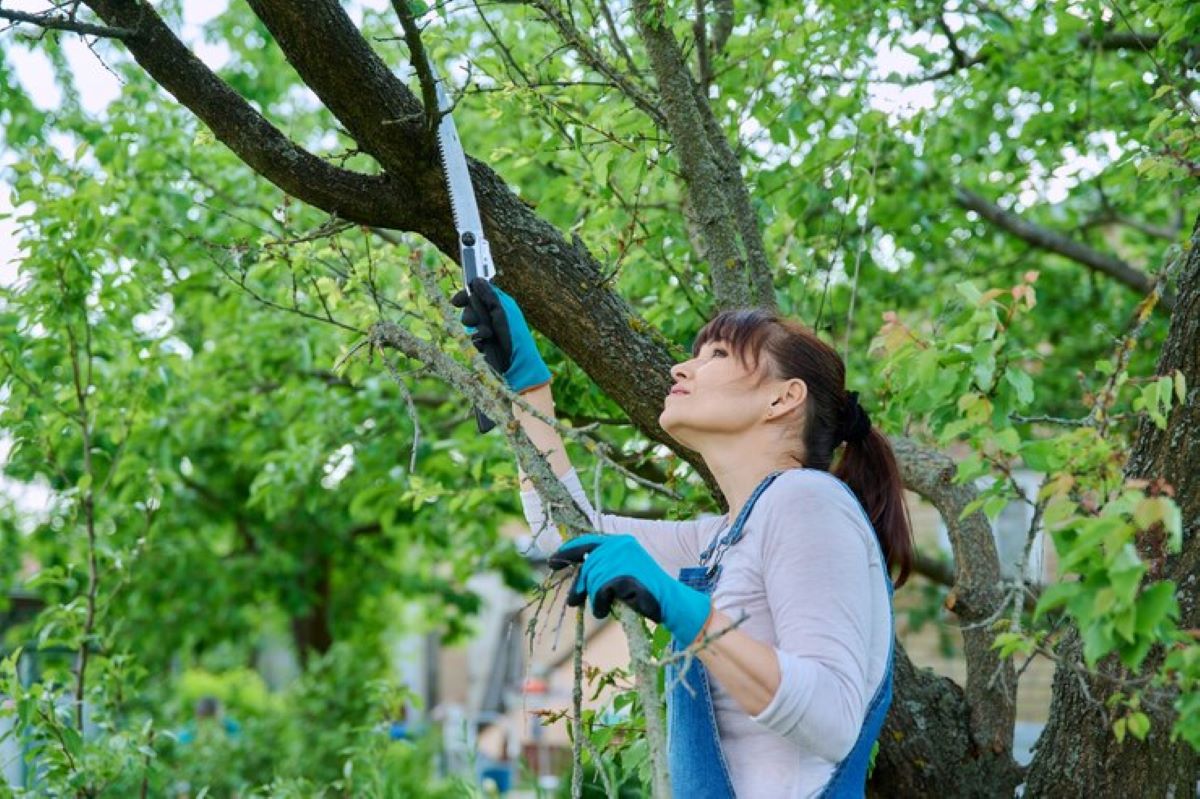
DIY can be safe for minor, low-level cuts where both feet stay on the ground and the branch is small enough to control. Once they need a ladder, a saw above shoulder height, or any cutting near a structure, DIY risk rises sharply.
In Australia, many injuries come from falls, kickback, and unpredictable limb drops. The danger is rarely the first cut; it is the branch swing, the split, or the way the limb loads and tears.
What counts as “DIY-friendly” trimming trees?
DIY is most suitable when they are removing small, dead, or rubbing branches under about 50 mm thick, with clear drop zones and no targets underneath. It also suits light formative pruning on young trees where structure is still simple.
If the job needs rigging, climbing, a chainsaw aloft, or traffic management, it has already moved beyond typical DIY. At that point, trimming trees is less about enthusiasm and more about controlled technique.
When does trimming trees become a job for a professional?
It becomes a professional job when there is height, weight, tension, or consequences. If the tree overhangs a roof, fence, neighbour’s yard, driveway, or footpath, one mistake can mean costly repairs or claims.
It also becomes professional work if they are anywhere near overhead powerlines, even on the property side. In many Australian states, only line-clearance qualified crews can work within prescribed approach distances.
Do Australian councils restrict trimming trees?
Yes, often. Many councils in Sydney, Melbourne, Perth, Adelaide, Canberra, and regional areas regulate pruning of significant trees, protected species, or vegetation in overlays. Some require permits even for pruning above a certain percentage of canopy.
Rules vary by Local Government Area, and breaches can lead to fines or orders to remediate. Before trimming trees, they should check local council websites for “tree preservation”, “significant tree register”, or vegetation protection controls.
How much does DIY trimming trees really cost once equipment is included?
DIY looks cheap until they price the gear that makes it safer and cleaner. A proper pole pruner, sharp secateurs, a pruning saw, PPE, and a sturdy ladder can add up quickly, and that is before green-waste disposal.
Many households also underestimate clean-up time and tip fees. If they need to hire a trailer, book a green bin upgrade, or pay a local waste facility, the total cost can creep close to a small professional quote.
What does professional trimming trees usually cost in Australia?
Professional pricing depends on access, height, complexity, and disposal. In many suburbs, small pruning jobs can be a few hundred dollars, while large canopy reductions, tight access removals, or crane-assisted work can run much higher.
Most reputable arborists quote after a site look because tree form, decay, and targets are hard to judge from photos alone. For trimming trees, the quote often includes chipping, haulage, and a safer work method that DIY cannot replicate.
What hidden risks do people miss with trimming trees?
The most missed risk is stored tension. Branches can be under load, and when cut, they can spring, twist, or split along the grain. That is when property damage and serious injuries occur.
Another common issue is cutting the wrong place and tearing bark down the trunk, which can invite disease or long-term decline. With trimming trees, a poor cut can cost more later than the original saving.
Can trimming trees increase storm damage if done incorrectly?
Yes. Over-thinning the canopy, lion-tailing, or topping can create weak regrowth and poor wind behaviour. Many Australian storm events expose bad pruning from years prior, not just the most recent weather.
A qualified arborist aims to reduce risk while preserving structure, weight distribution, and branch unions. When trimming trees is done with proper targets and technique, it can reduce failures rather than create them.
Does trimming trees affect neighbour disputes and liability?
It can. In many suburbs, branches cross boundaries, leaves drop into gutters, and sunlight access becomes emotional quickly. Even when they are legally allowed to prune to the boundary, damage to the neighbour’s tree can trigger conflict.
Liability also matters if a branch falls onto a neighbour’s car or injures someone on a footpath. With trimming trees, a professional’s insurance, documentation, and risk controls can be as valuable as the physical cut.
What’s the difference between an arborist and a “guy with a chainsaw” for trimming trees?
An arborist is trained to assess tree health, structural defects, targets, and correct pruning points. They also use appropriate rigging, climbing systems, and safety protocols to control drops and protect property.
A cheap operator may offer a quick cut, but they may not carry adequate insurance, follow Australian Standards for pruning, or understand tree biomechanics. For trimming trees, qualifications and insurance are often the real product.
How can they check if a professional is right for trimming trees?
They should ask for proof of public liability insurance, relevant qualifications, and a clear written quote. It also helps to check local reviews and confirm exactly what happens with debris and stump or log removal.
If the job is near powerlines, they should confirm line-clearance competencies where required. For trimming trees, a professional should be willing to explain the pruning goal, not just the price.
Does trimming trees need special tools and techniques?
Yes, if the goal is safe cuts and a healthy tree. Correct pruning relies on identifying the branch collar, avoiding flush cuts, and making controlled cuts that prevent tearing.
Professionals may use rigging lines, friction devices, and sectional dismantling to lower limbs safely. DIY tools can work for small jobs, but once trimming trees involves heavy limbs, technique matters more than the saw.
What DIY checklist should they follow before trimming trees?
They should keep it conservative and treat “unknown” as “do not cut.” If anything feels unstable, too high, or too heavy, they should stop and get a quote.
A practical checklist:
- Confirm council rules and any protections.
- Inspect for decay, cracks, dead tops, or hanging limbs.
- Check for powerlines, fences, sheds, and footpaths in the drop zone.
- Use PPE: eye protection, gloves, enclosed shoes, hearing protection if using powered tools.
- Keep both feet on the ground where possible.
- Plan disposal before they start.
When is calling a professional clearly worth it for trimming trees?
It is clearly worth it when there is height, complexity, or meaningful consequences. If they value their roof, fence, gutters, car, neighbour relationships, or personal safety, the professional route often becomes the cheaper option in real terms.
It is also worth it when the tree is valuable. Mature natives and established shade trees can add comfort and property appeal, and poor trimming trees can permanently disfigure them.
How should they decide between trimming trees DIY vs professional in one minute?
They can decide fast by asking three questions. If any answer is “yes,” they should call a professional.
- Does the job require a ladder or cutting above shoulder height?
- Could a branch hit a roof, powerline, fence, neighbour’s property, driveway, or footpath?
- Are they unsure where to cut, how the limb will fall, or whether the tree is healthy?
If all answers are “no,” careful DIY trimming trees may be reasonable.
What’s the best overall approach to trimming trees for most Australian homes?
Most homes benefit from a mixed approach. They can handle light, low pruning and routine garden tidying, then book an arborist every few years for structural pruning, clearance work, and risk reduction.
That balance protects safety, keeps trees healthy, and reduces long-term costs. For most households, trimming trees is worth DIY only when it stays small, simple, and fully controlled.Most Australians can trim a small shrub or dead twig safely, but trimming trees is a different job once height, powerlines, heavy limbs, or liability enter the picture. The real question is not just cost, it is risk, results, and what happens if something goes wrong.
This guide weighs DIY against hiring a qualified arborist, using Australian conditions, common council rules, and the realities of suburban blocks from Brisbane to Melbourne.
Is trimming trees actually safe to DIY?
DIY can be safe for minor, low-level cuts where both feet stay on the ground and the branch is small enough to control. Once they need a ladder, a saw above shoulder height, or any cutting near a structure, DIY risk rises sharply.
In Australia, many injuries come from falls, kickback, and unpredictable limb drops. The danger is rarely the first cut; it is the branch swing, the split, or the way the limb loads and tears.
What counts as “DIY-friendly” trimming trees?
DIY is most suitable when they are removing small, dead, or rubbing branches under about 50 mm thick, with clear drop zones and no targets underneath. It also suits light formative pruning on young trees where structure is still simple.
If the job needs rigging, climbing, a chainsaw aloft, or traffic management, it has already moved beyond typical DIY. At that point, trimming trees is less about enthusiasm and more about controlled technique.
When does trimming trees become a job for a professional?
It becomes a professional job when there is height, weight, tension, or consequences. If the tree overhangs a roof, fence, neighbour’s yard, driveway, or footpath, one mistake can mean costly repairs or claims.
It also becomes professional work if they are anywhere near overhead powerlines, even on the property side. In many Australian states, only line-clearance qualified crews can work within prescribed approach distances.
Do Australian councils restrict trimming trees?
Yes, often. Many councils in Sydney, Melbourne, Perth, Adelaide, Canberra, and regional areas regulate pruning of significant trees, protected species, or vegetation in overlays. Some require permits even for pruning above a certain percentage of canopy.
Rules vary by Local Government Area, and breaches can lead to fines or orders to remediate. Before trimming trees, they should check local council websites for “tree preservation”, “significant tree register”, or vegetation protection controls.
How much does DIY trimming trees really cost once equipment is included?
DIY looks cheap until they price the gear that makes it safer and cleaner. A proper pole pruner, sharp secateurs, a pruning saw, PPE, and a sturdy ladder can add up quickly, and that is before green-waste disposal.
Many households also underestimate clean-up time and tip fees. If they need to hire a trailer, book a green bin upgrade, or pay a local waste facility, the total cost can creep close to a small professional quote.
What does professional trimming trees usually cost in Australia?
Professional pricing depends on access, height, complexity, and disposal. In many suburbs, small pruning jobs can be a few hundred dollars, while large canopy reductions, tight access removals, or crane-assisted work can run much higher.
Most reputable arborists quote after a site look because tree form, decay, and targets are hard to judge from photos alone. For trimming trees, the quote often includes chipping, haulage, and a safer work method that DIY cannot replicate.
What hidden risks do people miss with trimming trees?
The most missed risk is stored tension. Branches can be under load, and when cut, they can spring, twist, or split along the grain. That is when property damage and serious injuries occur.
Another common issue is cutting the wrong place and tearing bark down the trunk, which can invite disease or long-term decline. With trimming trees, a poor cut can cost more later than the original saving.
Can trimming trees increase storm damage if done incorrectly?
Yes. Over-thinning the canopy, lion-tailing, or topping can create weak regrowth and poor wind behaviour. Many Australian storm events expose bad pruning from years prior, not just the most recent weather.
A qualified arborist aims to reduce risk while preserving structure, weight distribution, and branch unions. When trimming trees is done with proper targets and technique, it can reduce failures rather than create them.
Does trimming trees affect neighbour disputes and liability?
It can. In many suburbs, branches cross boundaries, leaves drop into gutters, and sunlight access becomes emotional quickly. Even when they are legally allowed to prune to the boundary, damage to the neighbour’s tree can trigger conflict.
Liability also matters if a branch falls onto a neighbour’s car or injures someone on a footpath. With trimming trees, a professional’s insurance, documentation, and risk controls can be as valuable as the physical cut.
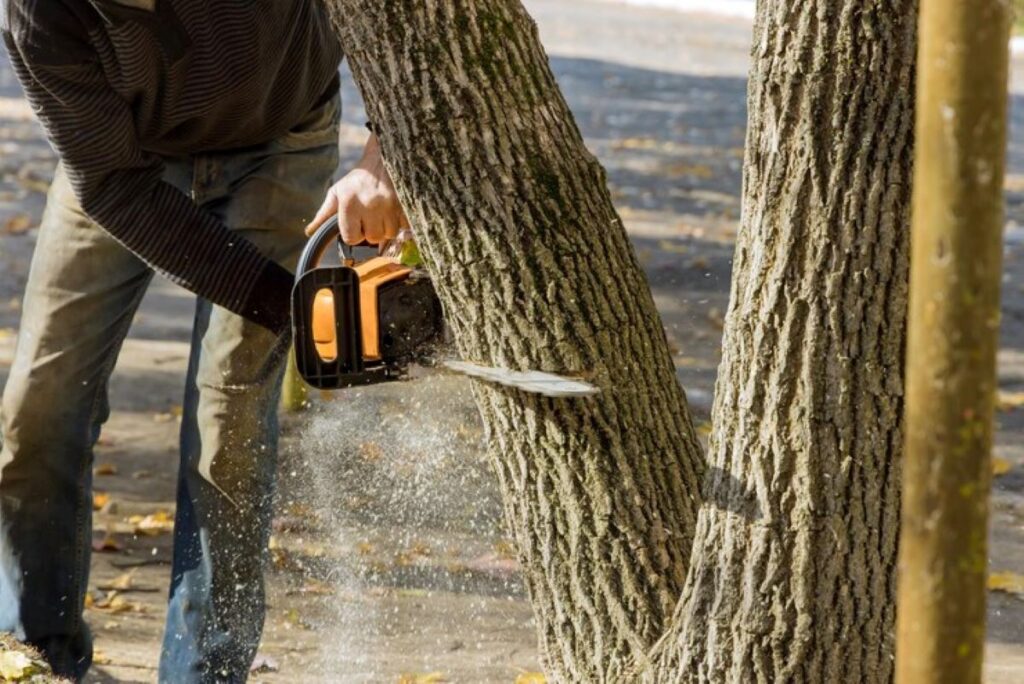
What’s the difference between an arborist and a “guy with a chainsaw” for trimming trees?
An arborist is trained to assess tree health, structural defects, targets, and correct pruning points. They also use appropriate rigging, climbing systems, and safety protocols to control drops and protect property.
A cheap operator may offer a quick cut, but they may not carry adequate insurance, follow Australian Standards for pruning, or understand tree biomechanics. For trimming trees, qualifications and insurance are often the real product.
How can they check if a professional is right for trimming trees?
They should ask for proof of public liability insurance, relevant qualifications, and a clear written quote. It also helps to check local reviews and confirm exactly what happens with debris and stump or log removal.
If the job is near powerlines, they should confirm line-clearance competencies where required. For trimming trees, a professional should be willing to explain the pruning goal, not just the price.
Does trimming trees need special tools and techniques?
Yes, if the goal is safe cuts and a healthy tree. Correct pruning relies on identifying the branch collar, avoiding flush cuts, and making controlled cuts that prevent tearing.
Professionals may use rigging lines, friction devices, and sectional dismantling to lower limbs safely. DIY tools can work for small jobs, but once trimming trees involves heavy limbs, technique matters more than the saw.
What DIY checklist should they follow before trimming trees?
They should keep it conservative and treat “unknown” as “do not cut.” If anything feels unstable, too high, or too heavy, they should stop and get a quote.
A practical checklist:
- Confirm council rules and any protections.
- Inspect for decay, cracks, dead tops, or hanging limbs.
- Check for powerlines, fences, sheds, and footpaths in the drop zone.
- Use PPE: eye protection, gloves, enclosed shoes, hearing protection if using powered tools.
- Keep both feet on the ground where possible.
- Plan disposal before they start.
When is calling a professional clearly worth it for trimming trees?
It is clearly worth it when there is height, complexity, or meaningful consequences. If they value their roof, fence, gutters, car, neighbour relationships, or personal safety, the professional route often becomes the cheaper option in real terms.
It is also worth it when the tree is valuable. Mature natives and established shade trees can add comfort and property appeal, and poor trimming trees can permanently disfigure them.
How should they decide between trimming trees DIY vs professional in one minute?
They can decide fast by asking three questions. If any answer is “yes,” they should call a professional.
- Does the job require a ladder or cutting above shoulder height?
- Could a branch hit a roof, powerline, fence, neighbour’s property, driveway, or footpath?
- Are they unsure where to cut, how the limb will fall, or whether the tree is healthy?
If all answers are “no,” careful DIY trimming trees may be reasonable.
What’s the best overall approach to trimming trees for most Australian homes?
Most homes benefit from a mixed approach. They can handle light, low pruning and routine garden tidying, then book an arborist every few years for structural pruning, clearance work, and risk reduction.
That balance protects safety, keeps trees healthy, and reduces long-term costs. For most households, trimming trees is worth DIY only when it stays small, simple, and fully controlled.
See Also : Dining Table and Chair Set: What to Look for Before You Buy