
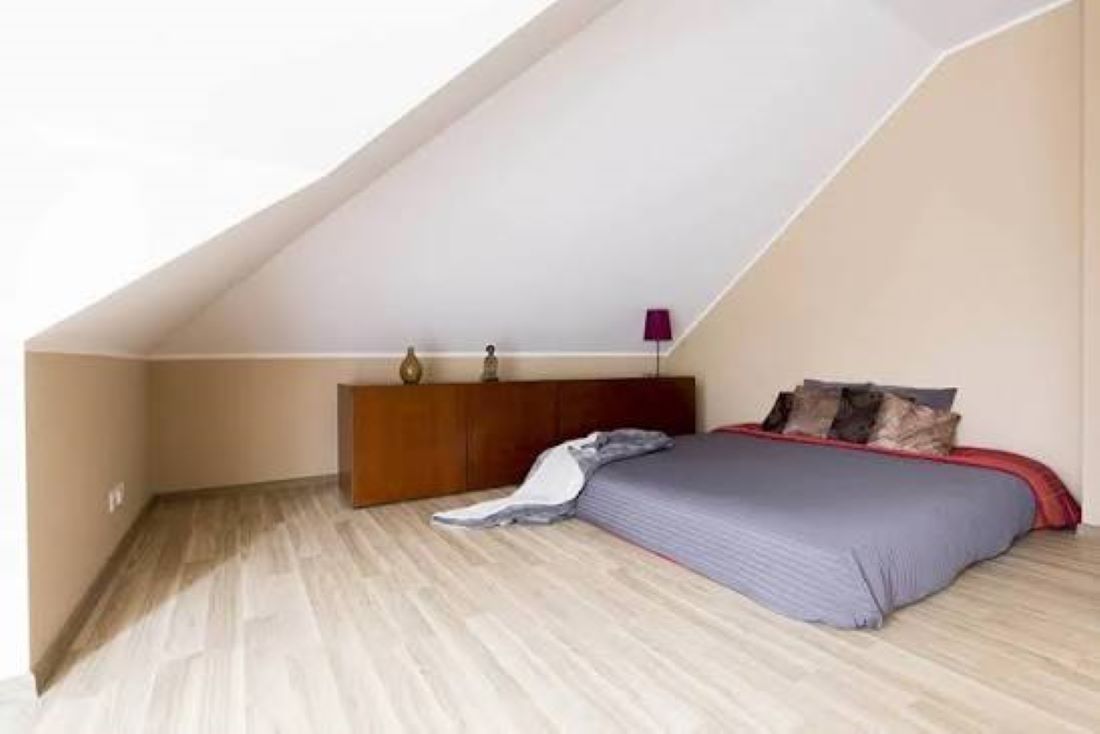
3 Questions Home Sellers and Downsizers Preparing to List Should Ask Before Buying Mattresses
This article breaks it down into three practical questions they should ask before buying mattresses, with an Australian lens and a focus on what matters when a home is about to hit the market.
What job is the mattress meant to do: stage the home, support the move, or serve the next chapter?
They should decide whether the mattress is mainly for presenting the bedroom well, surviving a move, or becoming the long-term bed after downsizing. That single decision affects how much they spend, what size they buy, and whether they choose something light and easy to handle.
For many sellers, buying mattresses is less about upgrading comfort and more about reducing buyer doubts. If the mattress looks clean, sits properly on the base, and suits the room scale, the whole bedroom reads as “looked after”. For downsizers, buying mattresses can also be about avoiding a second purchase after settlement.
If they are selling first and moving later, buying mattresses that are easy to transport can prevent a costly “replace it again” moment. If they are moving into a smaller home, buying mattresses that fit the new space is the safer bet, even if it means storing it briefly.
How can they choose the right size for both the listing photos and the next home?
They should pick a size that makes the bedroom look larger now and still makes sense after the move. In Australia, that often means thinking carefully about whether a Queen is necessary, or whether a Double or King Single will suit a smaller bedroom, apartment, or retirement living layout.
For staging, oversized beds can squeeze walking space and make rooms look tighter in photos. If they are downsizing from a family home in Brisbane, Perth, or the outer suburbs of Melbourne, a spare room might photograph better with a Double rather than a Queen. That choice can make the room feel more functional, especially when paired with slimmer bedside tables.
For their next home, they should measure the destination room if possible, including door widths and hallway turns. Buying mattresses in a larger size “just in case” can backfire if it cannot be manoeuvred into a unit or townhouse. Many Australians also forget to check the bed base size, since some older frames are slightly off-standard.
What comfort and support level will reduce complaints now and regret later?
They should aim for a medium feel that suits most sleepers, unless they are buying purely for short-term presentation. Comfort is personal, but a balanced feel is usually the safest when buying mattresses during a transition, especially if guests, family, or prospective buyers may sit or lie on the bed during inspections.
If they are still living in the home while it is on the market, buying mattresses that improve sleep can also improve decision-making under stress. Listing prep often means early mornings, late nights, and constant tidying. A poor mattress makes that harder.
If they are moving into their “next chapter” home, buying mattresses with dependable support matters more than chasing the softest showroom feel. They should check that hips and shoulders feel supported in their usual sleep position, and they should not ignore edge support, which can matter for getting in and out of bed, particularly for older downsizers.
What materials and finishes will make the bed look clean, fresh, and low-maintenance in a listing?
They should choose materials that look crisp and resist heat, dust, and odours, because bedrooms are judged quickly. In many Australian homes, especially through humid summers in Sydney and Brisbane or dry heat in Adelaide and inland NSW, breathable materials can help keep the bed feeling fresh during the sales campaign.
A mattress that holds heat can make linen look rumpled and “lived in”, especially during open homes. When buying mattresses for a listing period, they should consider breathable quilting, airflow features, and whether the cover is designed to handle regular airing.
They should also plan for presentation. A simple, well-fitted protector and neat linen can make even a modest mattress feel premium. That matters because buyers often read the bedroom as a signal of how the whole home has been maintained. Buying mattresses that pair well with a clean, minimal bedding set can lift the entire room without adding clutter.
See Also : Australian climate zones

How should they balance budget with the reality that buyers rarely pay extra for a new mattress?
They should spend for their own use, not because they expect it to raise the sale price. Most buyers will not pay a premium because the seller bought a new bed, and many will not even know. The value is indirect: a better-looking room, fewer negative impressions, and a calmer feel in photos and inspections.
That said, buying mattresses too cheaply can create other problems, like uneven height on the base, a lumpy look under fitted sheets, or a cheap edge that collapses when someone sits. Those details can read as “temporary” or “rental-grade”, which is not ideal when a home is being positioned as well cared for.
A practical approach is to set a budget band, then shop within it for the best support and presentation. For many Australian households, this means comparing mid-range options, watching for sale cycles, and prioritising warranty clarity and comfort over fancy marketing terms.
What delivery timing and logistics will prevent stress when the home is being prepared and shown?
They should align delivery with their cleaning, styling, and photography schedule. Mattress deliveries can be delayed, and the last thing they need is a missing mattress on photo day, or a bulky delivery blocking a hallway right before an inspection.
When buying mattresses, they should check delivery windows, whether the retailer removes packaging, and if the mattress needs time to expand. “Bed in a box” styles can be easier to handle in tight spaces, but they still need a plan for unboxing, disposal of packaging, and any off-gassing period before the room is closed up again.
For apartment dwellers in inner Melbourne, Sydney, or the Gold Coast, they should confirm lift access, stair fees, and whether the driver brings it inside. They should also consider where the old mattress will go, because councils and tip drop-offs can require bookings, and hard rubbish rules vary by suburb.
What return policy and warranty details matter most when they may be moving soon?
They should read the return policy with a mover’s mindset. Some returns require the mattress to stay in the original home address, and some trial periods exclude stained or unprotected mattresses. That becomes important if settlement timing is uncertain.
When buying mattresses ahead of a move, they should look for clear terms on transport, exchanges, and warranty claims if the mattress is relocated. They should also keep receipts and product tags accessible, since paperwork often gets lost in the chaos of downsizing.
They should pay attention to what the warranty covers in plain language. Sag depth thresholds, base requirements, and protector requirements can be strict. Buying mattresses with a strong reputation for consistent build quality can reduce the risk of needing a claim at the worst possible time.
What hygiene steps will protect the new mattress while the home is open for inspections?
They should protect it from day one, because open homes bring foot traffic, dust, and the occasional curious child. A good protector keeps the mattress looking and smelling fresh, and it prevents stains that can void a trial return.
If they are still living in the property while it is listed, they should set simple routines: air the room briefly each morning, keep pets off the bed, and store spare linen neatly to reduce visual clutter. These small steps support the goal of buying mattresses that stay “as new” through the entire campaign.
They should also think about scent. Strong fragrances can feel like a cover-up to buyers. Neutral cleanliness is the aim, and it is easier to maintain when the mattress materials and protector do not trap odours.
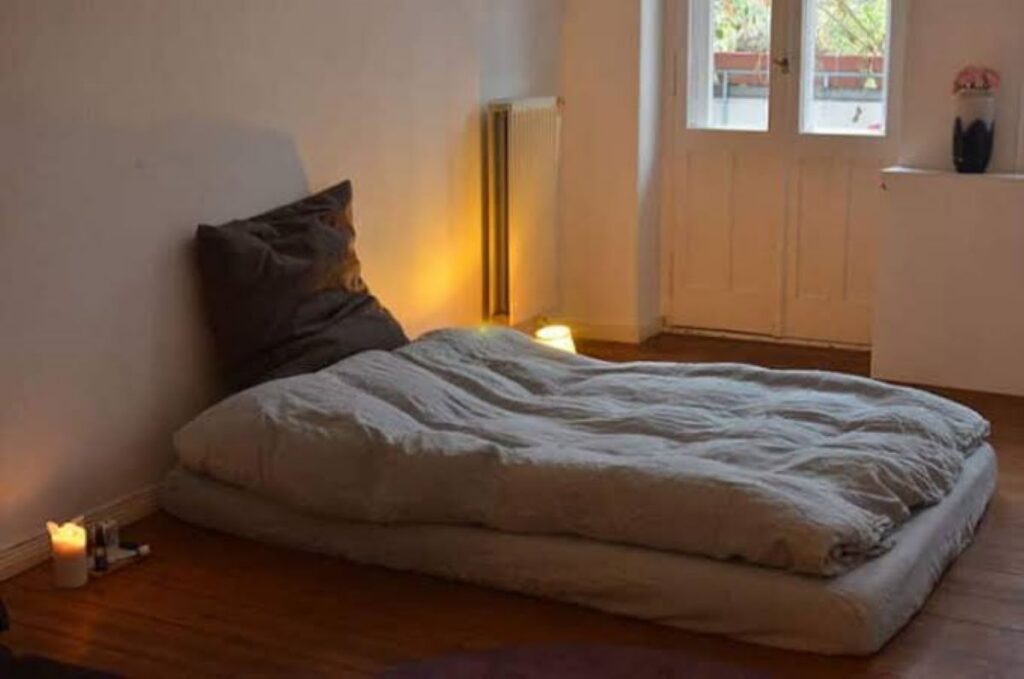
What is the simplest decision framework they can use before they commit?
They should choose based on fit, function, and future, in that order. Fit means the mattress suits the room size and photographs well. Function means it supports good sleep and handles daily use without looking messy. Future means it will still work in the next home and not become an expensive item to replace again.
A quick checklist helps:
- They have measured the current bedroom and, if possible, the next one.
- They have decided whether the mattress is primarily for staging or long-term use.
- They have picked a medium comfort feel unless they have a clear preference.
- They have confirmed delivery timing and removal of the old mattress.
- They have read trial and warranty rules with moving in mind.
When they use this framework, buying mattresses becomes a practical step in the selling and downsizing plan, rather than a rushed purchase made under pressure.
What should they do next if they are listing soon and do not want to overthink it?
They should start by confirming the bed size that best suits the room, then pick a breathable, medium-feel option that is easy to deliver and easy to protect. If time is tight, they should prioritise reliable logistics and a clear return policy over minor feature differences.
For home sellers and downsizers preparing to list, buying mattresses is less about chasing perfection and more about choosing a clean, comfortable, low-fuss option that supports the sale and the move. If they keep the decision anchored to those three goals, they will usually pick well and avoid costly second guesses.
Other Resources : Trimming Trees vs DIY: Is It Worth Calling a Professional?
