
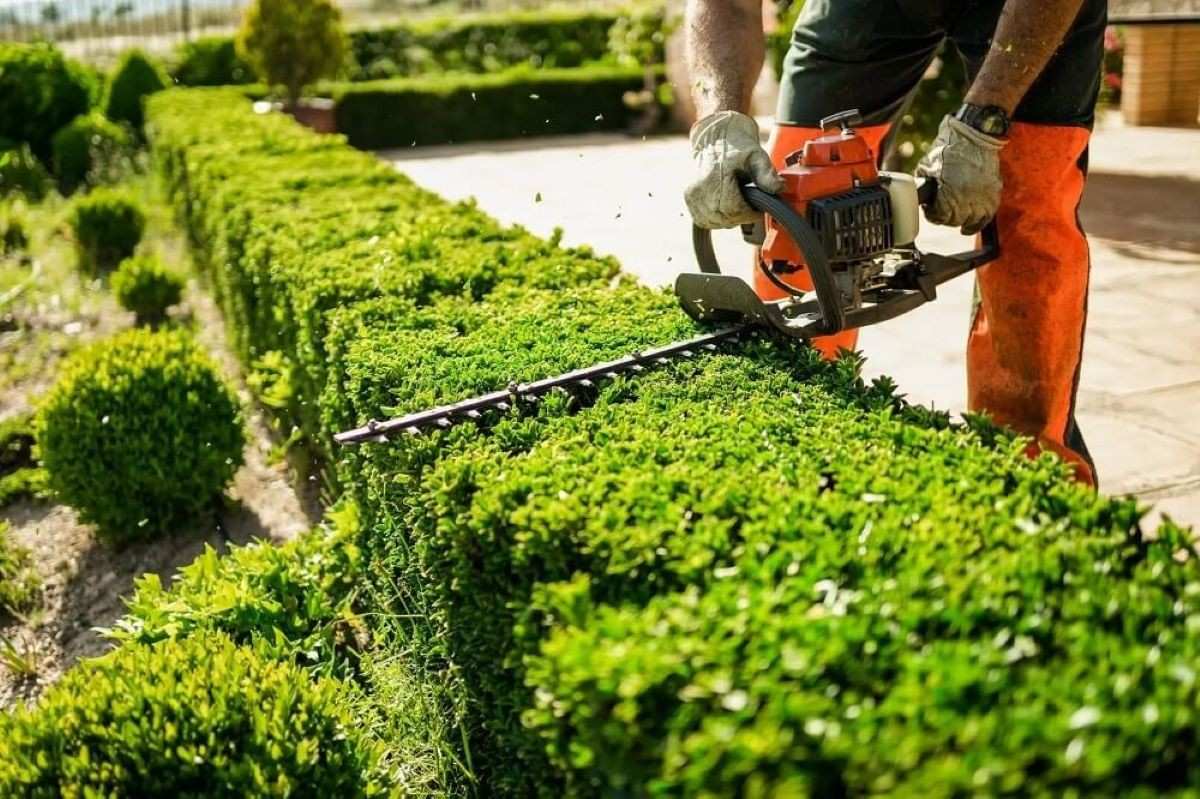
Comparing Your Options for Professional Hedge Trimming
What does “professional hedge trimming” usually include?
Professional hedge trimming usually covers shaping, height reduction, cleanup, and green waste removal, with safer access to tall sections. Many providers also check plant health and flag problems like dieback, pests, or uneven growth.
In most Australian suburbs, the biggest differences are how precise the finish is, whether waste is removed, and how well the contractor manages access, noise, and neighbour-friendly timing.
Should they hire a gardener, a landscaper, or an arborist?
For most routine hedges, a regular gardener is enough, especially for frequent light shaping. Landscapers are often the better fit when hedges are part of a bigger garden upgrade, such as new edging, screens, or a full yard reset.
An arborist is usually the right choice when there are tall hedges near powerlines, boundary disputes, or structural risk, or when the “hedge” is basically a row of trees. In practice, professional hedge trimming can be delivered by any of the three, but the right trade depends on risk and complexity.
Is DIY hedge trimming worth considering in Australia?
DIY can work for small, low hedges where they can keep both feet on the ground and have the right tools. It can also suit households that like frequent touch-ups, because small cuts done often are easier on plants.
It becomes harder to justify when the hedge is tall, long, or dense, or when green waste builds up quickly. The time cost, tool cost, and uneven results are the common reasons people switch back to professional hedge trimming after a season or two.
What are the main types of hedge trimming services they can choose from?
Most services fall into three buckets: maintenance trims, hard reductions, and restorative shaping. Maintenance trims keep the hedge tidy and encourage dense growth, typically scheduled seasonally or several times per year in warm coastal areas.
Hard reductions are used to bring a hedge back from being overgrown, often requiring multiple passes and careful regrowth planning. Restorative shaping is about fixing lopsided lines, gaps, and poor structure, and is where professional hedge trimming experience tends to show.
How do they choose between one-off trimming and a regular schedule?
A one-off job suits end-of-lease cleanups, pre-sale presentation, or when the hedge has been ignored for a while. A schedule suits households that want the hedge to stay at a set height and width all year, particularly where fast growth is common.
Regular visits usually mean faster work each time and a better long-term shape. Many clients find professional hedge trimming on a schedule reduces total spend because it prevents major cutbacks and plant stress.
What tools and methods should they expect a professional to use?
They should expect commercial hedge trimmers, long-reach poles, ladders or platforms when needed, and clean-up gear such as blowers and tarps. Good operators also keep blades sharp and clean to reduce tearing, which can brown leaf edges on some species.
They may also use string lines or visual guides for straighter faces and level tops. Consistent technique is a key reason people pay for professional hedge trimming rather than relying on a quick weekend cut.
How do hedge species and growth habits affect the best option?
Different hedges react differently to cutting, and that changes who they should hire and what they should request. Lilly pilly and viburnum often respond well to regular trims that encourage density, while conifers can be less forgiving if cut back into old wood.
In many Australian gardens, hedges are planted for screening, so maintaining a slightly wider base can prevent thinning at the bottom. A provider who understands plant response will treat professional hedge trimming as both aesthetics and plant management, not just “making it smaller.”
What safety and access issues should they consider before booking?
Tall hedges create real risk, especially on sloped blocks, near retaining walls, or beside driveways. They should ask how the contractor plans to access height, whether a second worker is used, and what happens if the hedge is near overhead assets.
If there are powerlines, they should be cautious and consider an arborist or a contractor who clearly follows safe approach distances. Good professional hedge trimming includes safe setup and careful site control, not just fast cutting.
How should they compare quotes in a way that avoids surprises?
They should compare what is included: shaping detail, height reduction, green waste removal, and whether the quote assumes clear access. Some quotes are based on length and height, while others are time-based, which can change the final price if the hedge is thicker than expected.
It helps to share photos and measurements up front, including the hedge length, approximate height, and whether there are obstacles like fences or garden beds. The best professional hedge trimming quotes are specific about scope and cleanup.
See Also : 3 Questions Home Sellers and Downsizers Preparing to List Should Ask Before Buying Mattresses
What questions should they ask before choosing a hedge trimming provider?
They should ask what finish level is realistic, how often trimming is recommended for that species, and whether the provider can remove all clippings. They can also ask how the contractor avoids scalping the hedge or leaving a narrow base that thins later.
If they care about straight lines, they should ask whether the provider uses guides or has photos of similar work. A reliable professional hedge trimming provider will explain their approach clearly and set expectations about regrowth.
When is the best time of year for hedge trimming in Australian climates?
In many parts of Australia, late winter to spring is popular for shaping because growth ramps up afterward, helping hedges recover. In warmer zones, light trims can be spread across the year, especially for fast-growing screens.
They should avoid cutting too hard during heatwaves, and they may need to time trims around flowering if they want blooms. Timing matters because professional hedge trimming done at the wrong time can lead to stress, sunburnt foliage, or slow recovery.
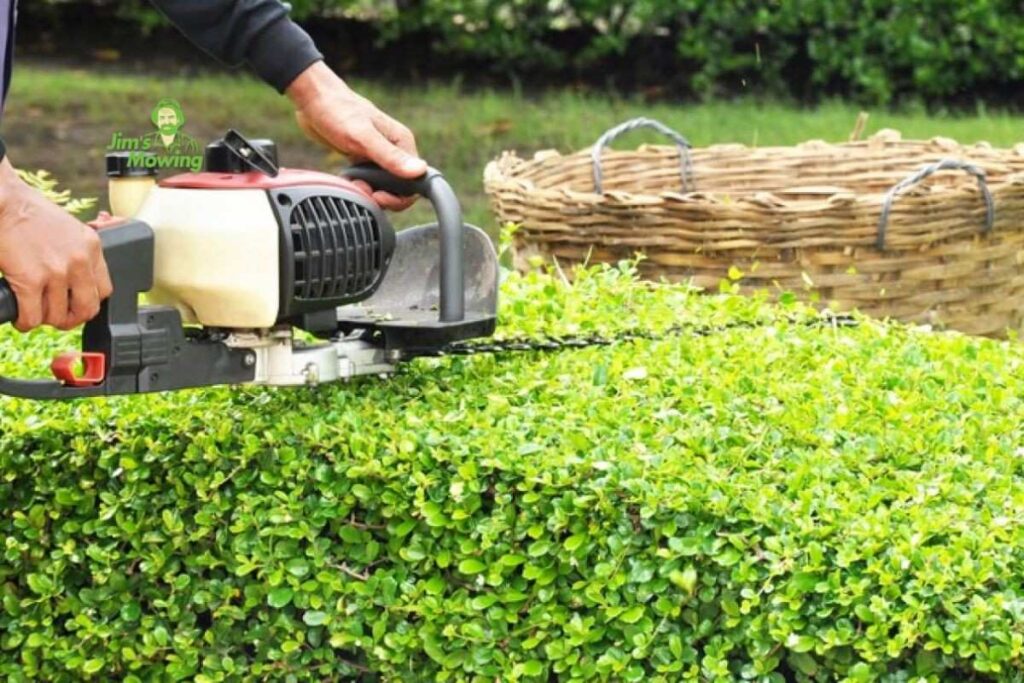
How do they decide what “professional” results actually look like?
Professional results usually mean clean lines, an even face, and a top that is level or deliberately shaped, with no obvious holes or ragged edges. It also means the hedge is balanced, often slightly wider at the bottom for light penetration.
Cleanup is part of the outcome too, since leftover clippings can smother garden beds and stain paving. Many households choose professional hedge trimming because the finish looks consistent from the street, not just “cut back.”
What option suits rental properties, strata, and commercial sites?
Rental properties often need reliable presentation at predictable cost, so scheduled maintenance is common, especially for front hedges. Strata and body corporate sites often prefer insured contractors with clear scope, because common areas require consistency and risk management.
Commercial sites usually prioritise neat edges, traffic safety, and minimal disruption, which can mean early starts and faster turnaround. In these settings, professional hedge trimming is often bundled with mowing, edging, and garden bed care.
What are the most practical takeaways when comparing their options?
They can narrow the choice by answering three things: how tall the hedge is, how perfect they want the finish, and whether they want ongoing maintenance. Small, low hedges can suit DIY or a gardener, while tall or high-visibility hedges often justify specialist help.
When the hedge frames the whole property, consistency matters more than saving a small amount on a one-off cut. For many Australian households, professional hedge trimming is most cost-effective when it is planned, scoped clearly, and done often enough to avoid major reductions.
