What Is Scaffold Mesh? A Quick Guide for Home Sellers and Downsizers Preparing to List
For Australian home sellers and downsizers, scaffold mesh is usually about safety, cleanliness, and controlling what passers by can see while trades are on site.
What is scaffold mesh?
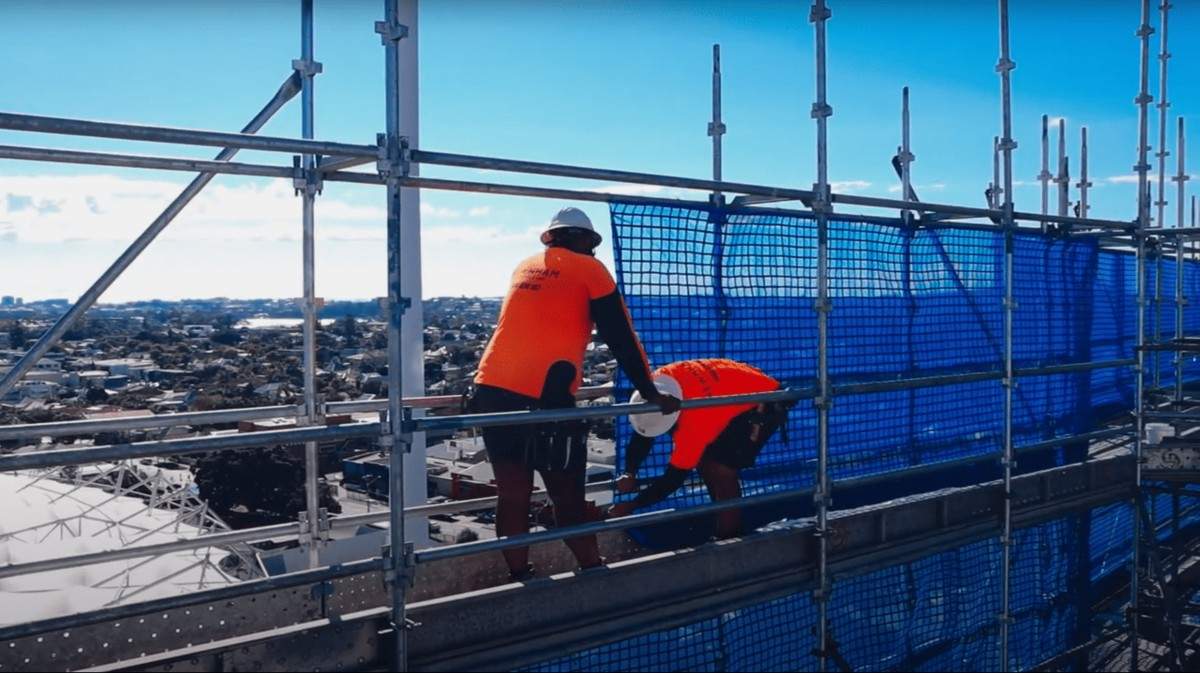
Scaffold mesh is a lightweight, durable sheeting fixed to scaffolding to create a protective barrier around a work zone. In Australia, it is commonly used during painting, rendering, roof repairs, repointing, and other exterior jobs.
For sellers, scaffold mesh can help keep the property looking tidier and reduce the chance of dust and debris drifting onto neighbours, driveways, or gardens.
Why do home sellers see scaffold mesh during pre sale works?
They often see scaffold mesh when trades need safer access to upper levels, eaves, or high walls before a listing campaign starts. It is common on double storey homes, homes on slopes, and older brick properties needing touch ups.
It can also appear when sellers are doing quick improvements like repainting trims, fixing fascia boards, replacing gutters, or patching render to improve street appeal.
How does scaffold mesh improve safety around a property?
It mainly reduces risk by creating a visible boundary and limiting falling dust, small debris, and loose materials from leaving the scaffold area. If pedestrians pass close to the property line, scaffold mesh helps reduce the chance of something blowing or dropping outward.
For sellers and downsizers who are still living in the home, it can also make the site feel more controlled while trades move ladders, tools, and materials around.
Does scaffold mesh help with privacy while preparing to sell?
Yes, it can. Scaffold mesh can reduce how much neighbours and passers by can see while exterior works are happening, especially when scaffolding is close to upper windows, balconies, or a front porch.
That matters for downsizers who want fewer eyes on the property while they declutter, organise removals, or coordinate repairs before photos and inspections.
Can scaffold mesh protect gardens, cars, and neighbouring homes?
Often, yes. Scaffold mesh can help contain overspray from painting, dust from sanding, and small fragments from minor demolition or repairs. It is not a perfect seal, but it can significantly reduce mess compared with open scaffolding.
This can be especially useful in tight Australian suburban blocks where driveways, fences, and neighbouring gardens sit close to the work area.
What types of scaffold mesh are commonly used in Australia?
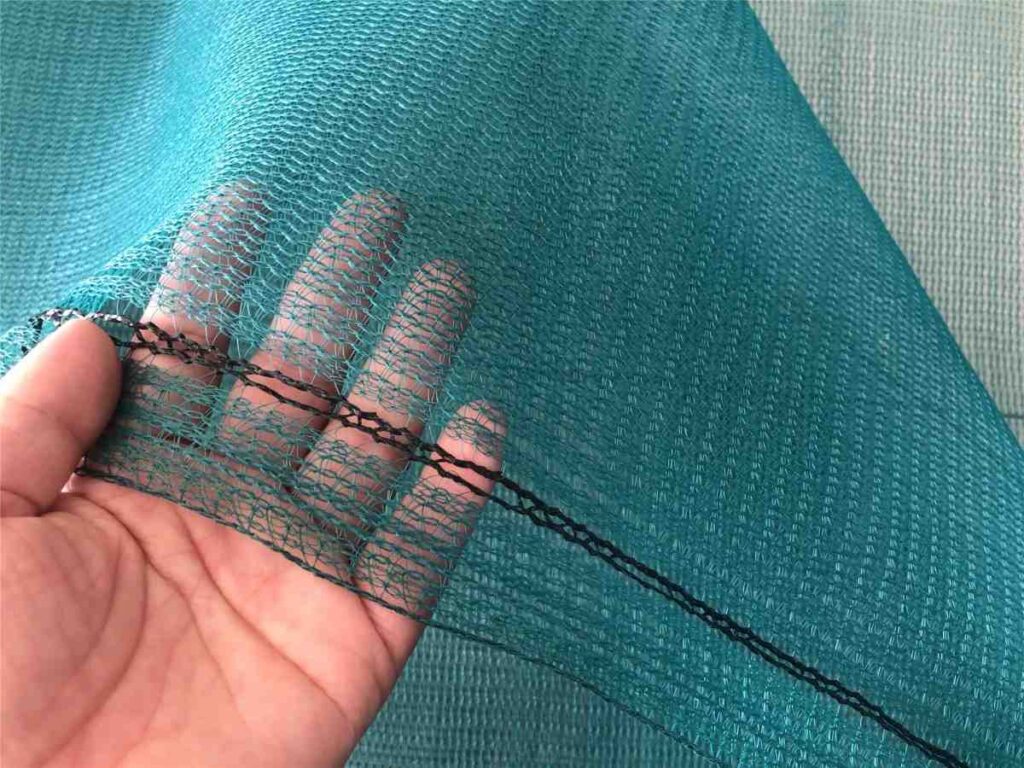
In Australia, they typically see shade cloth style mesh, flame retardant mesh for higher risk sites, and tighter weave debris mesh where containment is a priority. The choice depends on the job type, wind exposure, and site requirements.
If the property is in a coastal or windy area, they may need a mesh that balances airflow with containment so it does not act like a sail.
Will scaffold mesh make a home look worse before listing?
Temporarily, it can make the frontage look like a work site, because that is exactly what it is. But for sellers, the point is what comes after, a cleaner, sharper exterior that photographs well and presents better at open homes.
If timing is tight, they can plan works so scaffold mesh is removed well before professional photography, signboard installation, and the first inspection.
How long does scaffold mesh usually stay up during repairs?
It depends on the scope. Minor exterior painting or patching might need a few days, while larger jobs like full repainting, roof restoration, or rendering can take one to three weeks.
For sellers, the key is scheduling. They should ask the contractor for a realistic start to finish timeline that includes rain days, drying time, and scaffold removal, not just the labour days.

What should sellers ask contractors about scaffold mesh before works begin?
They should ask who supplies it, who installs it, and whether it is included in the quote. They should also confirm how it will be secured, how access to paths and driveways will work, and what happens if high winds are forecast.
It is also worth asking whether scaffold mesh will block entry points, affect mailbox access, or restrict visitor parking, which can matter if they are still meeting an agent on site.
Is scaffold mesh required by law or safety standards in Australia?
Requirements vary by state, the site, and the nature of the work. In many cases, contractors use scaffold mesh as part of their safety approach, particularly where there is risk of falling materials, overspray, or public access near the scaffold.
They should not assume it is optional. A licensed scaffolder and reputable contractor will typically follow relevant workplace health and safety expectations, and may recommend mesh to reduce risk on the site.
How can downsizers coordinate scaffold mesh with styling, photos, and opens?
They can treat it like a countdown: works first, then cleanup, then photography, then campaign. If they book photography too early, scaffold mesh can appear in shots or create awkward shadows on the façade.
A practical approach is to schedule exterior works right after they choose an agent but before styling and marketing. That way, the home can be presented at its best once the mesh comes down.
What are common mistakes sellers make with scaffold mesh during a sale prep?
One mistake is letting the job run into the campaign period. If scaffold mesh is still up during inspections, buyers may assume there are bigger defects than there really are.
Another mistake is not checking boundaries and access. If the mesh or scaffold encroaches near a neighbour’s driveway or shared path, it can cause friction at the exact time sellers want everything smooth and quiet.
How should sellers manage neighbours when scaffold mesh goes up?
A short, polite heads up can prevent complaints. They can let neighbours know the work dates, whether any overspray risk exists, and who to contact if something needs attention.
In denser areas such as inner suburbs of Sydney, Melbourne, Brisbane, Perth, and Adelaide, proactive communication can help avoid issues about noise, access, or visual impact.
Does scaffold mesh affect insurance or liability during renovation works?
It can, because it is part of how risk is managed. Sellers should confirm the contractor has current public liability insurance and that scaffold installation is handled by qualified parties where required.
If something goes wrong, a proper setup, including correctly installed scaffold mesh, can reduce the chance of injury or damage, and can also support the contractor’s safety documentation.
What is the simplest checklist for scaffold mesh before listing?
They can keep it simple and focus on timing, safety, and presentation. Scaffold mesh is helpful, but only if it supports the goal of a clean, buyer ready finish.
Here is a short checklist they can use:
- Confirm the work scope and timeframe in writing
- Confirm who installs and removes scaffolding and scaffold mesh
- Check weather and wind exposure, especially in coastal areas
- Plan photography only after removal and final cleanup
- Notify neighbours if access or mess could affect them
When should sellers avoid using scaffold mesh or scaffolding altogether?
They may avoid it if the job can be safely completed from ladders or elevated work platforms without compromising quality or safety. Some small repairs do not justify a full scaffold setup, especially if it delays the campaign.
That said, if the work is high risk or hard to access, skipping proper access and scaffold mesh can lead to rushed finishes, safety issues, or incomplete repairs that buyers will notice.
What is the takeaway for Australian home sellers and downsizers?
For most pre sale exterior jobs, scaffold mesh is a practical way to keep works safer, cleaner, and less exposed to the street. It is not about decoration, it is about controlling the work site so the end result looks better for buyers.
If they schedule it early and remove it before marketing begins, scaffold mesh can be a behind the scenes helper that supports a smoother listing and a stronger first impression.
More to Read : 10 Questions Home Sellers and Downsizers Preparing to List Should Ask Before Buying Reo Bar