
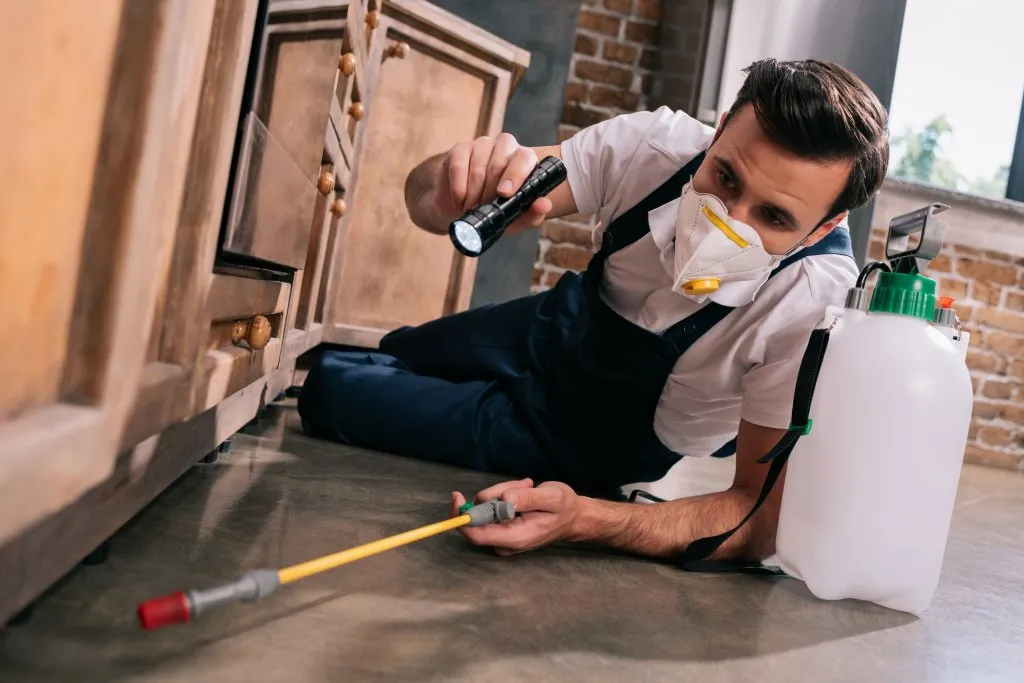
Why Pest Control Inner West Is Essential for Older Homes
When issues are caught early, they are usually simpler and cheaper to fix. When they are ignored, pests can quietly damage timber, wiring, insulation, and even indoor air quality.
Why are older Inner West homes more vulnerable to pests?
They are more vulnerable in pest control Inner West because time creates gaps, moisture issues, and softer materials that pests love. Older subfloors, wall cavities, and roof voids often provide undisturbed shelter where infestations can grow unnoticed.
Many period homes in pest control Inner West areas also have extensions built across decades. Those joins, seams, and different building standards can leave small openings that become ongoing access points.
Which pests are most common in older homes in the Inner West?
Termites, rodents, and cockroaches are the big three, with spiders and ants also common. Termites are the most financially dangerous because they can damage structural timber without obvious signs.
Rodents often target roof spaces and subfloors, while cockroaches thrive where older kitchens, drains, and wall cavities provide warmth, crumbs, and moisture.
How do termites cause damage without being noticed?
They cause damage from the inside out, often staying hidden behind plaster, skirting boards, and within framing. By the time paint bubbles or timber sounds hollow, the colony may have been active for months or longer.
Older homes with more timber features, including floors, joists, and decorative trim, give termites more to feed on and more pathways to spread.
What parts of older homes attract pests the most?
Subfloors, roof voids, wall cavities, and older kitchens attract pests because they combine shelter with access. Timber-to-soil contact, poor drainage, and stored items under the house can also make infestations more likely.
Dense gardens close to walls, stacked firewood, and old fencing can become bridges that pests use to move toward the structure.
How do small gaps in ageing buildings become major entry points?
Small gaps become major entry points because pests do not need much space. Rodents can squeeze through surprisingly tight openings, and cockroaches can slip through cracks around pipes, vents, and old door frames.
As a home settles, seals around windows, flooring edges, and external penetrations can loosen. Without targeted exclusion work, those gaps often stay open year-round.
Why does moisture matter so much in pest problems?
Moisture matters because it supports both pests and the conditions that attract them. Termites are drawn to damp timber, cockroaches seek humid hiding spots, and rodents often follow water sources in roof plumbing or under-house drainage.
Older homes can have rising damp, leaking pipes, blocked gutters, or poor ventilation. Even small, slow leaks can create a reliable habitat.
What can happen if pest issues are left untreated?
They can lead to costly repairs, health concerns, and long-term property damage. Termites may compromise structural timbers, rodents can chew wiring and insulation, and cockroaches can trigger allergies and spread bacteria.
Older homes also tend to hide problems until they are advanced. That delay often increases treatment complexity and the amount of repair work required afterward. For more information on insects and parasites in Australia and the diseases they can transmit, you can refer to this NSW Health resource.
How does professional pest control help beyond a one-off spray?
It helps by combining inspection, identification, targeted treatment, and prevention planning. Professionals typically look for the cause, not just the symptoms, so they can reduce repeat infestations.
For older homes, that may include termite monitoring, baiting or barrier work where suitable, rodent management, and advice on sealing entry points and improving ventilation.
How often should older homes in the Inner West be inspected?
They should be inspected regularly, especially for termites, because early detection is the best protection. Many owners schedule routine checks to match the home’s age, construction style, and surrounding environment.
Homes with timber subfloors, previous termite activity, heavy garden cover, or moisture issues often benefit from more frequent monitoring.
What should they look for between professional visits?
They should look for subtle changes, not just obvious pests. That includes mud leads on walls or stumps, tight doors, hollow-sounding timber, droppings, scratching noises in the roof, and cockroach activity at night.
They should also watch for moisture signals such as musty smells, bubbling paint, or persistent condensation, because those can be early warnings of conditions pests prefer.
How can they reduce pest risks without changing the character of the home?
They can reduce risk with small, low-impact steps that protect the structure without harming the home’s style. Sealing gaps around pipes, improving subfloor airflow, fixing leaks, and keeping garden beds away from walls can make a big difference.
They can also store timber off the ground, keep gutters clear, and avoid letting vines or dense shrubs touch the building, which often acts as pest cover and access. See pest control Rouse Hill for new homes and prevention needs.
When is pest control most urgent for older homes?
It is most urgent when there are signs of termites, rodent activity, or recurring cockroach sightings. It is also urgent before renovations, because disturbing walls, floors, and gardens can reveal or spread hidden infestations.
For many older Inner West homes, proactive pest control is less about panic and more about protecting the investment. Regular inspections and targeted treatments help preserve the structure, reduce surprise repair bills, and keep the home safer and more comfortable year-round.
FAQs (Frequently Asked Questions)
Why are older homes in Sydney’s Inner West more susceptible to pest infestations?
Older homes in Sydney’s Inner West are more susceptible to pests because ageing materials develop gaps, moisture issues, and softer timber that attract pests. Features like older subfloors, wall cavities, roof voids, and extensions built over decades create undisturbed shelters and access points for termites, rodents, cockroaches, and others.
Which pests are most commonly found in older Inner West homes and why?
The most common pests in older Inner West homes are termites, rodents, and cockroaches. Termites cause significant financial damage by feeding on structural timber unnoticed. Rodents often inhabit roof spaces and subfloors, while cockroaches thrive in warm, moist areas such as older kitchens, drains, and wall cavities.
How do termites cause hidden damage in period homes?
Termites cause damage from the inside out by remaining concealed behind plaster, skirting boards, and within timber framing. In older homes with abundant timber features like floors and decorative trim, termites can spread extensively before signs such as bubbling paint or hollow-sounding wood become apparent.
What areas of older homes typically attract pest activity?
Subfloors, roof voids, wall cavities, and older kitchens attract pests due to shelter and easy access. Additional risk factors include timber-to-soil contact, poor drainage, stored items under the house, dense gardens near walls, stacked firewood, and old fencing which serve as bridges for pests to reach the home.
How important is moisture control in preventing pest problems in ageing Inner West homes?
Moisture control is critical because it creates ideal conditions for pests like termites who seek damp timber; cockroaches who prefer humid hiding spots; and rodents who follow water sources such as leaking pipes or blocked gutters. Addressing rising damp, leaks, ventilation issues helps reduce pest attraction significantly.
Why is regular professional pest inspection essential for older Inner West homes?
Regular professional inspections enable early detection of termites and other pests before severe damage occurs. Professionals provide thorough identification, targeted treatment plans including termite monitoring and rodent management, plus advice on sealing entry points and improving ventilation—helping preserve the home’s structure and reduce costly repairs over time.