How Much Do Tree Removal Services Sydney Cost?
Tree removal services in Sydney handle everything from small backyard pruning jobs to complex removals involving large eucalypts near power lines. Property owners across the city regularly need these services for safety reasons, landscape renovations, or when trees become diseased or damaged.
Understanding tree removal pricing Sydney helps you budget appropriately and avoid unexpected costs. Prices can range from a few hundred dollars for a small tree to over $10,000 for massive specimens requiring specialized equipment and extensive safety measures.
This guide breaks down tree removal services Sydney cost into clear categories. You’ll discover what you can expect to pay based on tree size, why certain factors dramatically increase the price, and which additional services might add to your final bill. With this knowledge, you can make informed decisions and get fair value when hiring arborists in Sydney.
What Are the Typical Costs for Tree Removal Services in Sydney?
Tree removal cost Sydney varies dramatically based on the size of the tree you need removed. The average price tree removal services charge reflects the equipment, labor, and time required for each job.
1. Small Trees (up to 5 meters)
- Cost: Typically between $300 and $800
- Duration: Jobs usually take a few hours
- Equipment: Requires minimal equipment
2. Medium Trees (5-10 meters)
- Cost: Ranges from $800 to $2,500
- Techniques: Professionals need specialized cutting techniques
- Safety Measures: Additional safety measures are required
3. Large Trees (10-20 meters)
- Cost: Prices between $2,500 and $5,000
- Rigging Systems: Increased height demands more complex rigging systems
- Crews: Larger crews are necessary
- Work Periods: Extended work periods are expected
4. Extra-Large Trees (over 20 meters)
- Cost: Starts at $5,000 and can exceed $10,000
- Cranes: Often require cranes for removal
- Duration: Multiple days of work may be needed
- Planning: Extensive planning is involved
Prices fluctuate significantly because each tree presents unique challenges. A 15-meter tree near power lines costs substantially more than the same tree in an open backyard. The species matters too—a dense hardwood takes longer to cut than a softer variety. Access restrictions, tree health, and trunk diameter all contribute to the final quote you’ll receive from arborists.
How Does Tree Size and Species Affect the Cost?
1. Tree Size Impact on Cost
Tree size impacts cost directly through equipment and labor requirements. Here’s how:
- A 5-meter tree might need two workers and basic tools
- A 20-meter tree demands specialized machinery, crane access, and a full crew working multiple hours
Each additional meter of height multiplies the complexity exponentially.
2. Species Influence on Tree Removal Price
Palm trees are a prime example of how species influence tree removal price. Their unique characteristics make them more challenging to remove compared to other types of trees. Here’s what you need to know:
- Palm trees have fibrous trunks that resist cutting
- They have deep root systems that require extensive excavation
- Spiky bark on palm trees demands protective gear and slower work
As a result, a 10-meter palm often costs 30-40% more than a eucalyptus of identical height.
3. Structural Characteristics and Pricing Tiers
The structural characteristics of different tree species create distinct pricing tiers. Here’s a breakdown:
- Conifers: Dense branching patterns with multiple limbs per meter, requiring careful sectional cutting and extended removal time
- Gumtrees: Fewer branches but heavier timber, demanding robust rigging systems
- Native figs: Extensive root networks that complicate stump extraction
- Deciduous trees: Simpler branch structures but seasonal leaf volume affects pricing
4. Tree Condition and Pricing
Tree condition adds another dimension to species-based pricing. Here’s how:
- A healthy tree with predictable wood density differs from a diseased specimen with unpredictable weak points
- Arborists charge premium rates for removing dead or dying trees where structural integrity creates safety hazards during cutting operations
How Do Site Conditions Affect Tree Removal Costs?
The cost of tree removal can vary greatly depending on the surrounding environment and how easily arborists can access the tree. Here are some ways in which site conditions can influence pricing:
1. Proximity to Structures
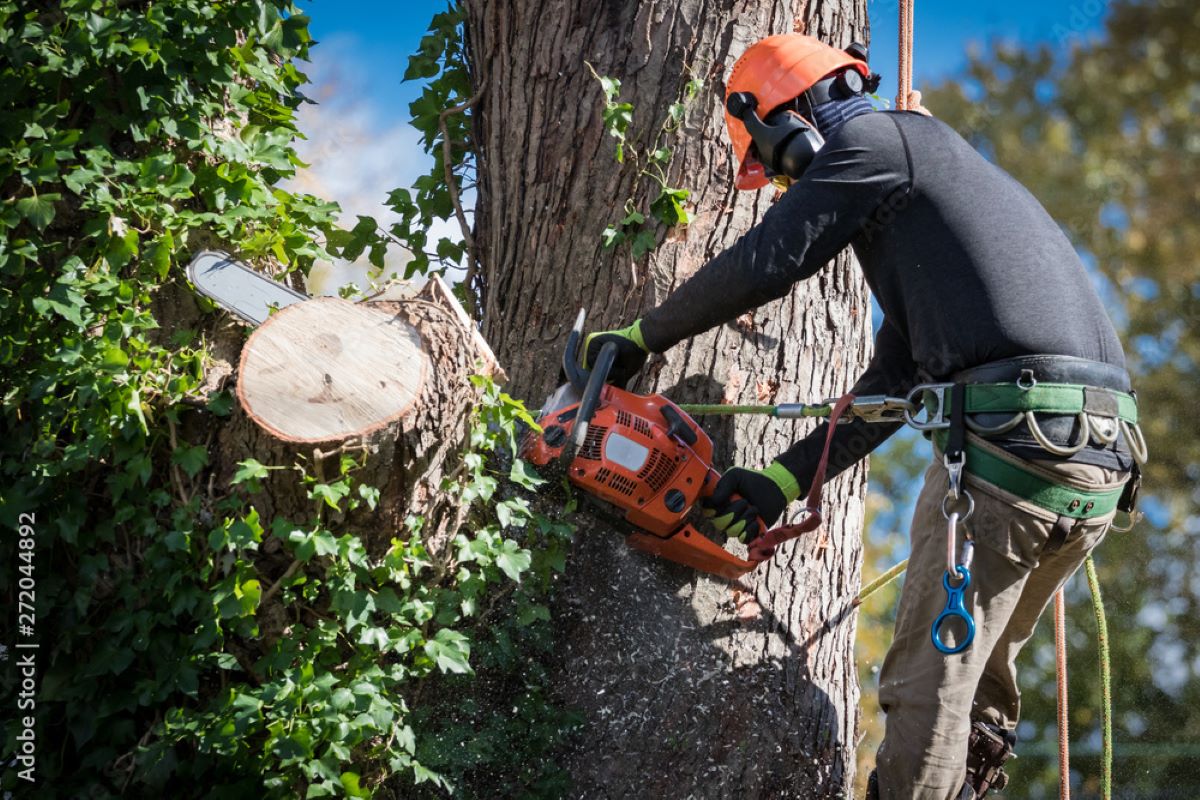
When a tree is located close to buildings, fences, or power lines, removal teams must exercise extreme caution to prevent any damage. This often requires the use of specialized rigging systems and additional time, resulting in higher costs.
2. Terrain Challenges
Certain terrain conditions can also impact pricing:
- Sloped or uneven ground may force crews to work on unstable surfaces, slowing down progress and requiring extra safety equipment.
- Rocky soil or hard-packed earth can make stump removal more labor-intensive.
- Wet or muddy conditions may limit equipment placement and increase the duration of the job.
3. Accessibility Issues
The accessibility of a tree plays a significant role in determining its removal cost. This becomes particularly evident when trees are situated in backyards with narrow side gates or properties that lack vehicle access. In such cases, arborists must resort to cutting trees into smaller sections and manually carrying debris through tight spaces instead of utilizing efficient machinery.
4. Power Line Considerations
Properties located near power lines pose the highest risk situations for tree removal. In these cases, removal companies often need to coordinate with electricity providers to arrange temporary shutdowns, which adds both complexity and expense to the process.
These safety-critical situations require certified professionals with specialized training, directly impacting How Much Do Tree Removal Services Sydney Cost? (Plus What Affects the Price) for your specific property.
What Additional Services Can Increase the Overall Price?
Tree removal rarely stops at cutting down the trunk. Stump removal cost Sydney residents face typically ranges from $100 to $500, depending on the stump’s diameter and root system complexity. Grinding the stump below ground level prevents regrowth and prepares the area for replanting or landscaping.
Debris removal fees add another layer to your final bill. Most arborists quote tree removal separately from cleanup services. Hauling away branches, logs, and green waste can cost $150 to $600, while wood chipping services—which convert debris into mulch you can keep—range from $80 to $300 depending on volume. You may like to visit https://www.safework.nsw.gov.au/resource-library/tree-work/woodchipper-guide to get woodchipper guide.
Permits for tree removal represent a hidden expense many property owners overlook. Sydney councils require approval before removing certain protected species, heritage trees, or vegetation in conservation zones. Permit costs vary significantly:
- Native trees: $100 to $300 per application
- Heritage-listed specimens: $200 to $500
- Trees in bushfire-prone areas: May require additional assessments ($150+)
Application processing takes 2-6 weeks, and councils may reject requests or impose conditions like replanting requirements. Trees on private property under 5 meters or dead/dangerous trees sometimes qualify for exemptions, though documentation proving the tree’s condition remains necessary. Removing a tree without proper permits risks fines up to $1.1 million under NSW environmental protection laws.
Why Does the Time of Year Matter When Removing Trees?
Scheduling tree removal during autumn delivers significant cost advantages, with potential savings of up to 25% compared to other seasons. Deciduous trees shed their leaves during this period, reducing the overall weight and volume of material that crews must handle and dispose of.
The seasonal impact on tree removal cost becomes apparent when comparing the labor involved. A leafless tree in autumn requires fewer cuts, generates less green waste, and poses simpler logistical challenges for ground crews managing debris. The reduced foliage also improves visibility for arborists, allowing them to work more efficiently and safely.
Autumn vs leafed trees pricing shows a marked difference:
- Autumn removal: Trees are lighter by approximately 20-30% without leaves, reducing labor hours and disposal fees
- Spring/summer removal: Full canopy adds substantial weight, requiring more trips to dispose of green waste
- Extended work time: Leafed trees demand additional trimming and processing before the main trunk can be safely removed
The weight difference isn’t merely aesthetic. A medium-sized tree with a full canopy can add several hundred kilograms of leaves and small branches to the removal process. This extra mass translates directly into higher disposal costs, extended work hours, and potentially larger crew requirements to manage the increased volume safely.

How Do Safety Measures Influence Tree Removal Expenses?
Safety equipment cost tree removal significantly when dangerous conditions exist. Trees near power lines, buildings, or busy roads require specialized machinery like cherry pickers, cranes, or elevated work platforms. These tools can add $500 to $2,000 to your quote depending on rental duration and equipment type.
Additional crew charges become necessary for high-risk removals. A standard two-person team might expand to four or five workers when complex rigging or ground control is essential. Each extra crew member typically adds $80 to $150 per hour to your bill.
Traffic management requirements inflate costs in urban Sydney locations. Jobs affecting public roads need qualified traffic controllers, safety barriers, and proper signage. This service alone can cost $300 to $800 per day.
Electricity shutdowns represent another expense factor. When trees threaten power lines, energy providers must temporarily disconnect supply to ensure worker safety. Coordinating these shutdowns involves administrative fees and potential compensation to affected properties, adding $200 to $600 to your total.
The combination of these safety measures explains why seemingly straightforward removals near infrastructure can cost double or triple the price of trees in open spaces. Arborists prioritize worker and public safety above all else, making these precautions non-negotiable for How Much Do Tree Removal Services Sydney Cost? (Plus What Affects the Price) calculations. Click here to get more about 6 tree problems an arborist Epping can diagnose before they become dangerous.
What Tips Help Manage Tree Removal Costs Effectively?
Managing tree removal costs Sydney starts with gathering at least three written quotes from different providers. This comparison shopping reveals the market rate and helps you spot unusually high or suspiciously low pricing that might indicate quality issues.
Verify each company’s credentials before signing any contract. Licensed arborists with current public liability insurance (minimum $10 million coverage) protect you from potential property damage or injury claims. Request copies of their qualifications and insurance certificates—reputable providers share these documents willingly.
Pruning offers substantial savings when complete removal isn’t necessary. A strategic trim can address safety concerns, improve tree health, and maintain your landscape for $200-$800 instead of thousands for full removal. Ask arborists whether selective branch removal solves your problem.
Bundling services delivers better value than piecemeal work. When getting quotes for tree services, request package pricing that includes:
- Tree felling
- Stump grinding
- Debris removal
- Wood chipping
Companies often discount combined services by 10-20% compared to booking each task separately. Schedule multiple trees for removal during the same visit to maximize labour efficiency and reduce per-tree costs. Autumn bookings typically cost less due to lighter trees and higher contractor availability during this slower season.