
6 Tree Problems an Arborist Epping Can Diagnose Before They Become Dangerous
Can Arborists in Epping Identify Tree Diseases Early?
Yes, certified arborists in Epping can identify tree diseases in their earliest stages through systematic health assessments. Early detection prevents minor infections from escalating into life-threatening conditions that compromise tree stability and public safety.
Common tree diseases affecting local species include:
- Dutch elm disease – a devastating fungal infection spread by bark beetles
- Verticillium wilt – a soil-borne pathogen attacking the vascular system
- Apple scab – fungal disease causing premature leaf drop
- Various canker diseases that girdle branches and trunks
Arborists look for specific visual symptoms during inspections. Leaf discoloration often appears as yellowing, browning, or unusual spotting patterns that differ from normal seasonal changes. Cankers manifest as discolored bark areas, sunken patches, or abnormal sap oozing from wounds. Branch dieback starting from the tips indicates vascular disease interrupting nutrient flow.
The importance of early fungal infection detection cannot be overstated. Fungal infections spread rapidly through tree tissues, and advanced cases may require complete tree removal to prevent disease transmission to neighboring specimens. Engaging Epping tree services at the first sign of trouble ensures swift assessment and intervention. When caught early, targeted fungicide applications and pruning of infected branches can save valuable trees. Arborists may collect samples for laboratory analysis when symptoms appear ambiguous, ensuring accurate diagnosis before treatment begins.
Do Arborists Detect Pest Infestations Before Damage Escalates?
Yes, trained arborists identify pest infestations in their earliest stages by recognizing specific insect damage signs before trees suffer irreversible harm. Early detection prevents structural compromise and saves trees from potential removal.
Destructive pests commonly threatening Epping trees include:
- Emerald ash borer – metallic green beetles that tunnel beneath bark, creating distinctive D-shaped exit holes
- Bark beetles – small insects that bore into trunks, leaving tiny entry holes surrounded by sawdust
- Japanese beetles – defoliating insects that skeletonize leaves during feeding
- Scale insects – sap-sucking pests that weaken branches and cause yellowing foliage
- Zimmerman pine moth – larvae that tunnel into pine trunks, producing resinous masses
Arborists search for telltale visual clues during inspections. Entry holes measuring 1-3mm indicate boring insects have penetrated the bark. Frass accumulation—fine sawdust mixed with insect droppings—collects in bark crevices or around the tree base. Sap bleeding from trunk wounds often signals active pest activity beneath the surface.
Professional arborists employ magnification tools to examine suspicious areas closely. Hand lenses reveal tiny larvae tunneling under bark flaps, while microscopes identify fungal spores that accompany certain pest infestations. This precision equipment detects problems invisible to untrained eyes, enabling targeted treatment before pest populations explode and compromise tree stability.
Can Arborists Diagnose Structural Weaknesses?
Arborists can identify structural weaknesses in trees by conducting a thorough assessment of limb stability. This involves looking for potential hazards that could cause branches to break during storms or strong winds.
What Do Arborists Look For?
When examining trees, arborists pay close attention to the following:
- Branch unions: They look for signs of included bark, V-shaped crotches, and co-dominant stems, which are all indicators of weak attachment points that may split under pressure.
- Flagging: This refers to the appearance of dying or discolored tips on branches. It serves as an important early warning sign and suggests that the vascular system supplying water and nutrients to the branch is compromised.
- Crack patterns: Any cracks in the bark could indicate internal splitting, which weakens the branch’s structure.
- Dead wood: Branches that have become brittle and unpredictable may pose a risk during storms.
- Canopy imbalance: An uneven distribution of weight in the tree’s canopy can lead to instability.
- Cavities and hollows: These openings in the trunk or branches can weaken the overall integrity of the tree.
How Do Arborists Assess Storm Preparedness?
Arborists also perform assessments specifically focused on storm preparation. During these evaluations, they identify limbs that are overhanging structures, power lines, or areas with high foot traffic. By considering factors such as branch angle, diameter, length, and proximity to potential targets, they can estimate the risk of failure.
The Role of Advanced Tools
In addition to visual inspections, arborists may use advanced diagnostic tools like resistograph drills. These instruments measure wood density and help reveal any internal decay that may not be visible from the outside. By obtaining precise data about the extent of deterioration within seemingly healthy-looking branches, arborists can make more informed decisions about necessary interventions.
Taking Action
When structural weaknesses are identified, early detection becomes crucial. This allows arborists to implement strategic measures such as pruning or installing cabling systems in order to preserve the tree while eliminating potential danger zones before severe weather events occur. It’s essential for arborists to stay informed about current research in tree risk management, which can provide valuable insights into best practices for maintaining tree health and safety.
How Do Arborists Identify and Manage Environmental Stress?
Environmental stress can be identified through visible signs such as leaves falling off prematurely, stunted growth, and branches dying back. In Epping, certified arborists inspect trees for specific indicators that suggest drought effects on trees, ice damage, or nutrient deficiencies caused by compacted or low-quality soil.
Signs of Environmental Stress
Here are some common signs of environmental stress that arborists look out for:
- Drought stress: Wilting leaves, brown edges on leaves, and a decrease in the density of the tree’s canopy.
- Ice damage: Cracked bark and torn branches that expose the inner wood to harmful organisms.
- Poor soil conditions: Compacted soil, lack of nutrients, or improper pH levels that hinder root growth and water absorption.
Tools Used by Arborists
Arborists use specialized tools to accurately measure stress levels in trees:
- Moisture meters: These devices are inserted into the soil to determine how much water is available around the tree’s roots.
- Soil probes: These tools are used to assess compaction and drainage problems in the soil.
- pH testing kits: These kits reveal any imbalances in nutrients that may be affecting the health of the tree.
These tools provide objective data that goes beyond what can be seen with the naked eye. When an arborist identifies environmental stress early on, they can recommend specific actions to address the issue. This may include implementing deep watering schedules, aerating the soil, applying mulch, or creating fertilization plans tailored to specific deficiencies.
By taking this proactive approach, arborists can prevent stressed trees from deteriorating into dangerous conditions that pose risks to property and safety.
What Problems Can a Certified Arborist Identify?
Root rot diagnosis and detection of compromised root systems happen through careful observation of above-ground symptoms before underground problems become catastrophic. Certified arborists look for telltale signs like premature leaf drop, yellowing foliage during growing season, leaning trunks, and exposed surface roots showing decay or fungal growth.
Signs of Failing Root Systems
Trees with failing root systems often display:
- Reduced canopy density
- Stunted new growth
Indicators of Advanced Fungal Decay
Mushrooms or conks appearing at the tree base signal advanced fungal decay within the root structure.
Signs of Root Plate Movement
Soil heaving around the trunk indicates root plate movement, suggesting the tree has lost critical anchorage. You may like to visit https://agriculture.vic.gov.au/biosecurity/plant-diseases/fruit-and-nut-diseases/white-root-rot to get more about white root rot plant diseases.
How Do Arborists Assess Tree Health?
Non-invasive assessment methods preserve tree health while gathering diagnostic information:
- Sonic tomography: uses sound waves to map internal root decay patterns
- Resistance drilling: measures wood density changes in major structural roots
- Air spade technology: gently removes soil with compressed air to expose roots for visual inspection
- Pulling tests: measure resistance to controlled force, revealing anchor strength
Arborists examine the critical root zone—typically extending 1.5 times the canopy diameter—for compaction, grade changes, or construction damage. They assess whether roots have sufficient space and oxygen for healthy growth. Soil testing reveals pH imbalances or nutrient deficiencies that weaken root development. These diagnostic approaches identify stability risks months or years before a tree becomes an immediate hazard, allowing time for remediation or safe removal planning.
How Do Arborists Detect and Address Physical Damage to Trees?
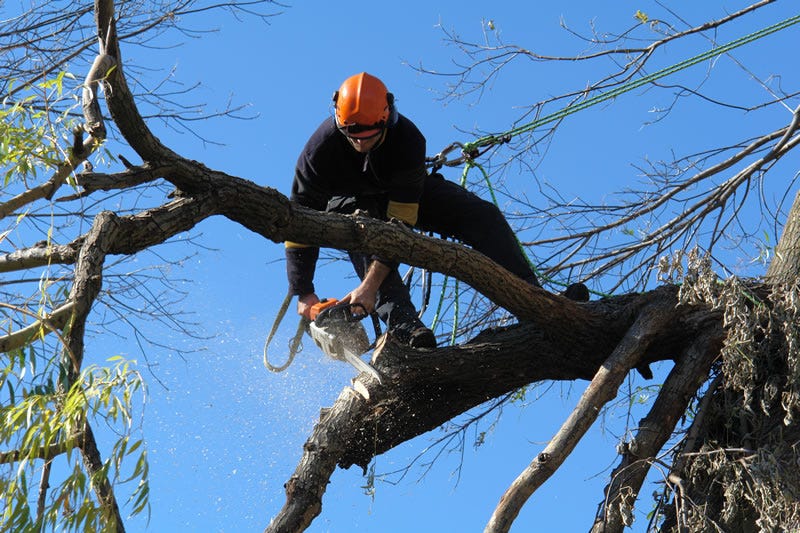
Physical damage to trees often goes unnoticed until serious complications develop. Arborists in Epping examine bark wounds, stripped areas, and structural injuries caused by lawnmowers, construction equipment, vehicle collisions, and improper pruning techniques that expose vulnerable inner wood to pathogens.
Vandalism effects on trees
Vandalism effects on trees create particularly concerning scenarios. Carved initials, stripped bark, broken branches, and girdling wounds compromise the tree’s vascular system, preventing water and nutrient transport. These deliberate injuries create entry points for insects and disease organisms that healthy bark would normally repel.
Unique hazards in urban environments
Urban environments present unique hazards:
- Construction damage from excavation near root zones or trunk impacts during building projects
- Mechanical injuries from lawn maintenance equipment striking bark repeatedly
- Cable and wire abrasion where utility lines rub against branches
- Salt damage from winter de-icing treatments on nearby roads
Consequences of untreated wounds
Left untreated, these wounds develop into decay columns that weaken structural integrity. The tree compartmentalizes damage by forming protective barriers, but extensive injuries overwhelm this natural defense mechanism.
Arborist intervention
Arborists assess wound severity, remove damaged tissue to prevent pathogen spread, and apply appropriate treatments. They document injury locations and monitor healing progress during follow-up inspections, recommending protective barriers or adjusted maintenance practices to prevent recurring damage. Check out more about How Much Do Tree Removal Services Sydney Cost?
Why Regular Tree Inspections are Important?
Regular tree inspections protect property and lives by catching hazards before they escalate. The 6 tree problems an arborist Epping can diagnose before they become dangerous include diseases, pest infestations, structural weaknesses, environmental stress, root system failures, and physical damage—all detectable through professional assessment.
Preventive arboriculture Epping offers distinct advantages in urban settings where trees face unique pressures:
- Early intervention costs significantly less than emergency removals
- Scheduled assessments track changes over multiple seasons
- Professional documentation supports insurance claims when needed
- Proactive care extends tree lifespan by decades
Certified arborists bring specialized training and diagnostic equipment that homeowners cannot replicate. Their expertise transforms tree management from reactive crisis response to strategic health maintenance.
Engaging qualified professionals for regular tree inspections establishes a safety baseline for your property. Annual or biannual evaluations ensure trees remain assets rather than liabilities, preserving the natural beauty that makes Epping neighborhoods distinctive while safeguarding families and structures beneath their canopies.
